
16 Gauge vs 18 Gauge Kitchen Sink: Which Is Better in 2026?
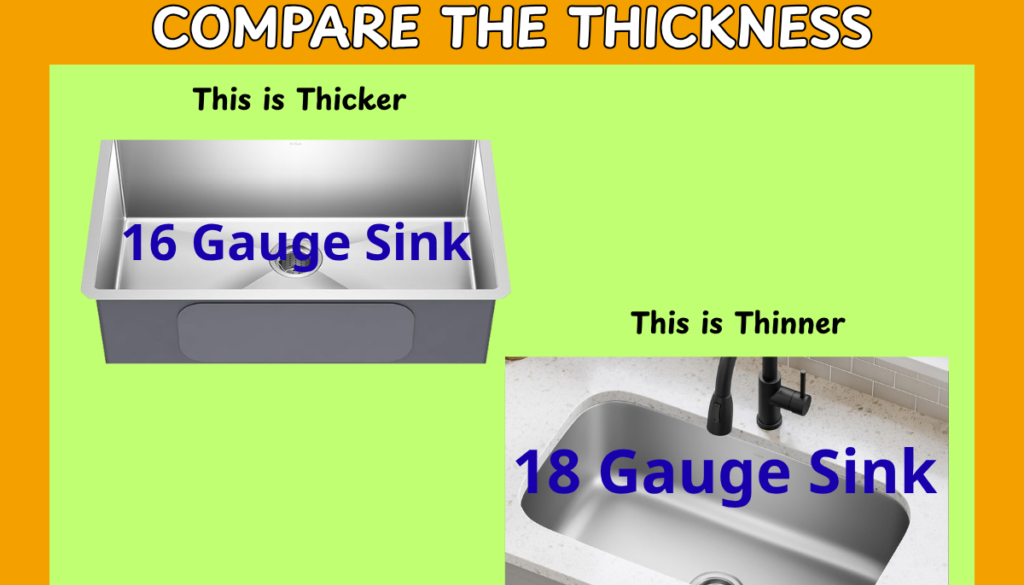
Choosing between a 16 gauge vs 18 gauge kitchen sink can make a noticeable difference in your daily kitchen experience. While both are made from stainless steel, the gauge number refers to thickness—the lower the number, the thicker and more durable the sink. A 16 gauge sink offers greater strength, better noise reduction, and improved resistance to dents, making it ideal for heavy use. On the other hand, an 18 gauge sink is lighter, more affordable, and still suitable for most households. Understanding these differences helps you select the right balance between durability, performance, and budget for your kitchen needs. If you're exploring different sink options, you can also check out our guide to the best kitchen sinks to see top-rated choices across all styles.
What Does “Gauge” Mean in Kitchen Sinks?
In kitchen sinks, gauge refers to the thickness of the stainless steel used to make the sink. This can be confusing at first because the numbering works in reverse:
- Lower gauge number = thicker steel
- Higher gauge number = thinner steel
For example:
- A 16 gauge sink is thicker and more solid
- An 18 gauge sink is slightly thinner and lighter
The difference may seem small, but it significantly affects durability, noise level, and overall quality. Thicker steel tends to absorb sound better, resist dents, and feel more premium.
16 Gauge vs 18 Gauge Kitchen Sink: Key Differences
Here’s a quick comparison to help you understand the main differences:
| 16 Gauge Sink | 18 Gauge Sink | |
|---|---|---|---|
Thickness | Thicker | Thinner | |
Durability | Very high | Good | |
Noise Level | Quieter | Slightly louder | |
Dent Resistance | Excellent | Moderate | |
Weight | Heavier | Lighter | |
Price | More expensive | More affordable | |
Best For | Heavy-duty kitchens | Everyday household use |
Pros and Cons of 16 Gauge Kitchen Sinks
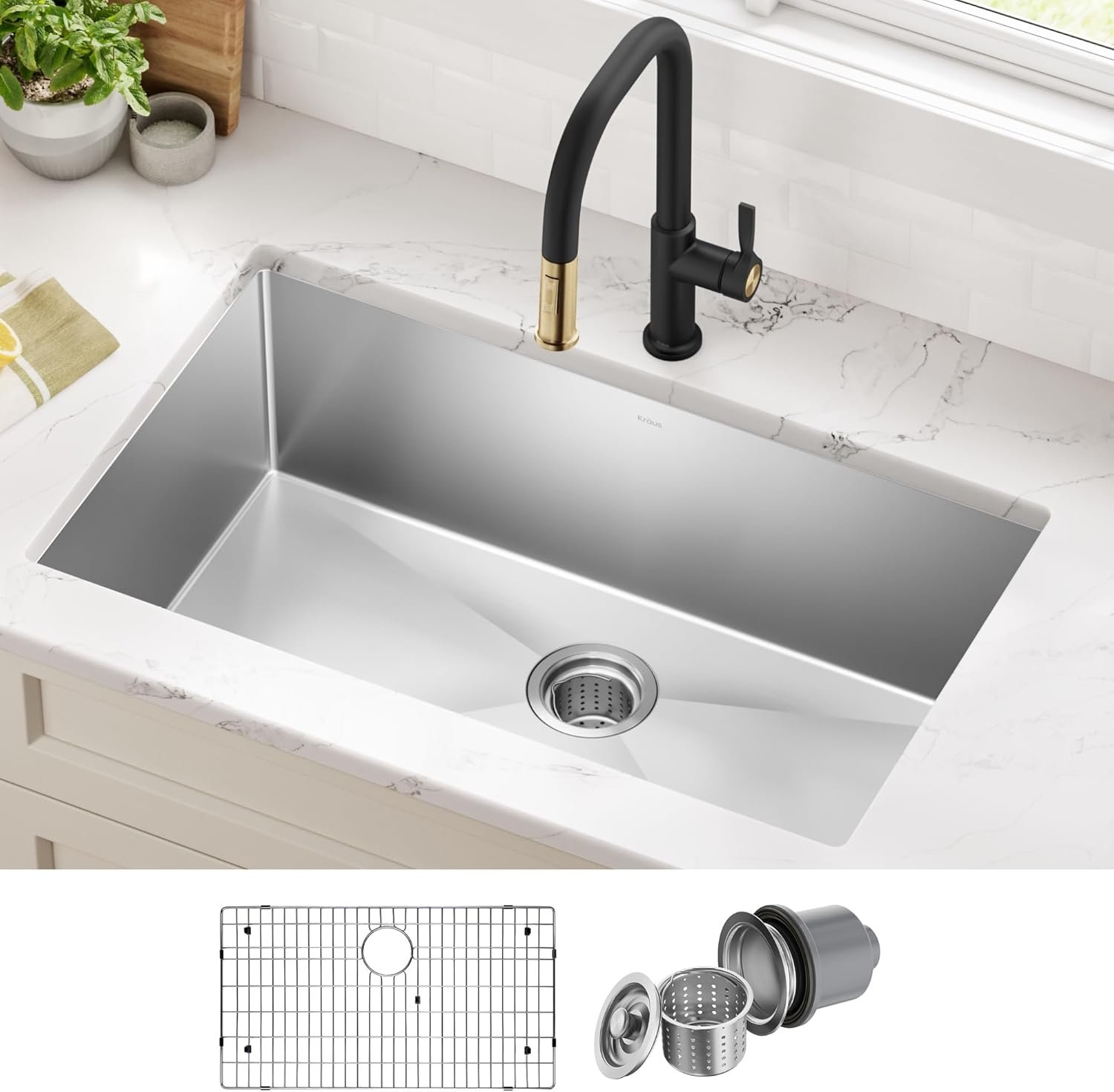
Pros
- Exceptional durability: Resistant to dents, scratches, and heavy impacts
- Quieter operation: Thicker steel reduces noise from dishes and running water
- Premium feel: Often used in high-end kitchens
- Long lifespan: Ideal for long-term investment
Cons
- Higher cost: Usually more expensive than 18 gauge sinks
- Heavier weight: May require stronger countertop support
- Overkill for light use: Not always necessary for smaller households
Pros and Cons of 18 Gauge Kitchen Sinks
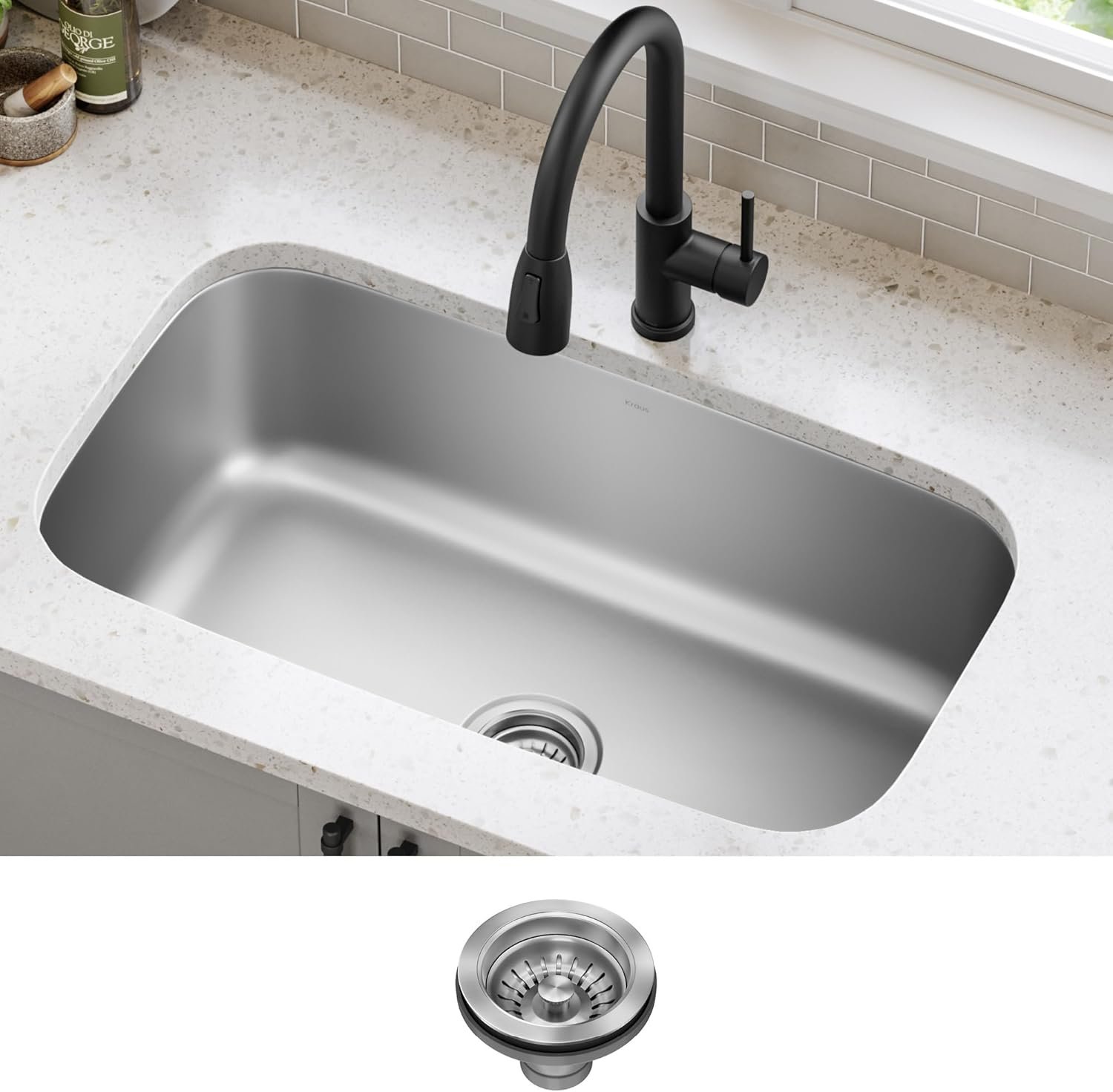
Pros
- Budget-friendly: Great option for cost-conscious buyers
- Lightweight: Easier to install and handle
- Widely available: Common in many kitchens
- Good performance: Suitable for everyday use
Cons
- Less durable: More prone to dents from heavy pots
- Slightly noisier: Thinner steel amplifies sound
- Lower-end feel: Not as premium as thicker options
Which One Should You Choose?
Limited space → Mini foosball table size or telescopic rods
Family entertainment → Standard foosball table size
Serious competition → Professional foosball table dimensions
The right choice depends on your kitchen habits, budget, and expectations.
Choose a 16 Gauge Sink if:
- You cook frequently or have a busy kitchen
- You want a long-lasting, high-end solution
- You use heavy cookware like cast iron pots
- You care about a quieter kitchen environment
Choose an 18 Gauge Sink if:
- You have a limited budget
- Your kitchen usage is moderate
- You want a functional sink without overspending
- You prioritize easy installation
👉 Simple rule:
If you can afford it, go with 16 gauge for better durability. If you want value for money, 18 gauge is still a solid choice.
Is 16 Gauge Sink Worth It?
Yes—especially if you view your sink as a long-term investment. A 16 gauge sink offers better resistance to daily wear and tear, making it ideal for families who cook often.
While the upfront cost is higher, it can save you money over time by reducing the need for repairs or replacement. It also enhances the overall feel of your kitchen, which can be a plus if you’re upgrading your home.
Is 18 Gauge Too Thin?
Not at all. An 18 gauge sink is not “cheap” or unusable—it’s simply thinner. For most households, it performs perfectly fine.
However, if you frequently drop heavy items or want a quieter sink, you might notice the difference. Many modern 18 gauge sinks also include soundproofing pads to reduce noise, making them more comfortable to use.
Does Gauge Affect Noise and Performance?
Yes, thickness directly impacts both:
- Noise: Thicker sinks (16 gauge) absorb vibrations better
- Durability: Less flexing means fewer dents and damage
- Stability: Heavier sinks feel more solid during use
That said, insulation and padding also play a role. A well-designed 18 gauge sink can still perform quietly if it has proper soundproofing.
Best Picks: 16 Gauge vs 18 Gauge Kitchen Sinks
If you’re ready to choose, here are some general recommendations:
Best 16 Gauge Kitchen Sinks
- Ideal for serious home cooks
- Often feature deep bowls and premium finishes
- Great for modern, high-end kitchens
Best 18 Gauge Kitchen Sinks
- Affordable and practical
- Suitable for rentals or budget remodels
- Available in many styles and sizes
👉 You can also explore more options in our full guide to the best kitchen sinks to compare top-rated models.
FAQs About 16 Gauge vs 18 Gauge Kitchen Sinks
Which gauge is best for a kitchen sink?
Most experts recommend 16 gauge for durability and performance, but 18 gauge is sufficient for everyday use.
Can you tell the difference between 16 and 18 gauge?
Yes, especially in weight, noise, and sturdiness. A 16 gauge sink feels more solid and quieter.
Is a thicker sink always better?
Generally yes, but it depends on your needs. Thicker sinks cost more and may not be necessary for light use.
Do professional kitchens use 16 gauge sinks?
Yes, many professional or high-end kitchens prefer 16 gauge for its strength and durability.
Conclusion
When comparing 16 gauge vs 18 gauge kitchen sinks, the decision comes down to durability vs budget. A 16 gauge sink offers superior strength, quieter performance, and long-term reliability, making it ideal for heavy use and premium kitchens. Meanwhile, an 18 gauge sink provides excellent value, lighter weight, and reliable everyday performance for most households.
If you want the best overall experience and can afford it, go with 16 gauge. But if you’re looking for a cost-effective solution that still gets the job done, 18 gauge is a smart choice.
👉 If you’re still exploring, check out our guide to the best undermount kichen sinks to find top-rated options for your kitchen.
