
Types of Kitchen Sink Materials: A Complete Guide for Every Home (2026)
When exploring the different types of kitchen sink materials, it’s important to understand how each option impacts durability, maintenance, and overall kitchen style. From affordable stainless steel to premium fireclay and granite composite, every material offers unique benefits and drawbacks. Choosing the right one depends on your cooking habits, budget, and design preferences.
With so many options available today, it can be difficult to know which one is right for your needs. In this guide, we’ll break down the most popular types of kitchen sink materials, along with their pros, cons, and best use cases.
If you're planning to upgrade your kitchen, you can also check out our guide to the best rated kitchen sinks to to find the perfect option for your home.
How to Choose the Right Kitchen Sink Material
Before diving into specific materials, it’s important to understand what factors matter most when choosing a kitchen sink.
- Durability: If you cook often, you’ll need a material that can handle heavy daily use.
- Maintenance: Some sinks require regular upkeep, while others are virtually maintenance-free.
- Style: Your sink should match your kitchen design, whether modern, traditional, or farmhouse.
- Budget: Prices can vary significantly depending on the material.
If you're still unsure which option is right for you, check out our guide on choosing the best material for a kitchen sink.
Top Types of Kitchen Sinks
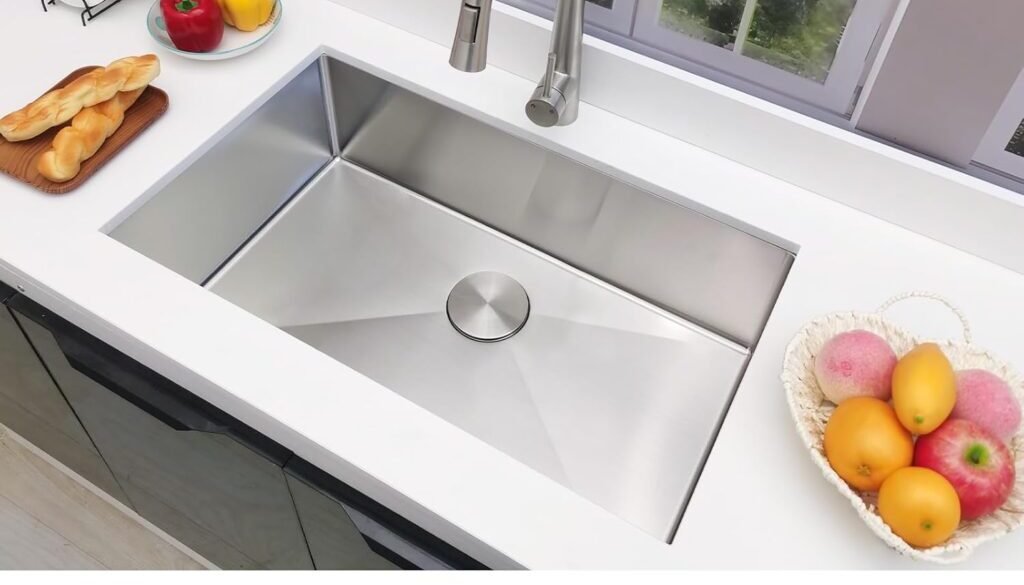
1. Stainless Steel Sinks
Stainless steel is the most common kitchen sink material thanks to its affordability and versatility. It’s widely used in both residential and commercial kitchens.
Pros:
- Durable and resistant to rust
- Lightweight and easy to install
- Affordable and widely available
- Matches most kitchen styles
Cons:
- Can be noisy without soundproofing
- Prone to scratches and water spots
Best for: Modern kitchens and budget-conscious homeowners.
2. Granite Composite Sinks
Granite composite sinks are made from crushed stone mixed with resin, resulting in a highly durable surface.
Pros:
- Extremely durable and scratch-resistant
- Heat and stain-resistant
- Available in various colors
Cons:
- Heavier than stainless steel
- Higher price point
Best for: Busy kitchens with heavy daily use.
3. Fireclay Sinks
Fireclay sinks are crafted by molding clay and firing it at extremely high temperatures. They are known for their smooth, glossy finish.
Pros:
- Elegant and timeless design
- Resistant to stains and scratches
- Easy to clean
Cons:
- Can chip if struck hard
- Expensive and heavy
Best for: Farmhouse and traditional kitchens.
4. Cast Iron Sinks
Cast iron sinks are coated with enamel, providing a durable and glossy surface.
Pros:
- Extremely durable
- Classic appearance
- Resistant to stains
Cons:
- Very heavy
- Can chip if not handled carefully
Best for: Traditional kitchens with strong cabinetry support.
5. Quartz Composite Sinks
Quartz composite sinks are similar to granite composite but use quartz for added strength and a modern finish.
Pros:
- Non-porous and hygienic
- Resistant to scratches and stains
- Sleek, modern look
Cons:
- Can be expensive
- Limited color options
Best for: Contemporary kitchens.
6. Copper Sinks
Copper sinks stand out for their unique look and natural antibacterial properties.
Pros:
- Naturally antimicrobial
- Develops a beautiful patina over time
- Eye-catching design
Cons:
- Expensive
- Requires regular maintenance
Best for: Rustic or decorative kitchens.
7. Acrylic Sinks
Acrylic sinks are made from molded plastic materials and are often reinforced with fiberglass.
Pros:
- Lightweight and affordable
- Easy to install
- Available in multiple colors
Cons:
- Less durable
- Can scratch or stain easily
Best for: Light-use kitchens or rental properties.
8. Solid Surface Sinks
Solid surface sinks are made from synthetic materials designed to mimic natural stone.
Pros:
- Seamless integration with countertops
- Smooth, modern appearance
- Easy to repair minor scratches
Cons:
- Not highly heat-resistant
- Can scratch over time
Best for: Minimalist and modern kitchen designs.
| Durability | Maintenance | Price Range | Best For | |
|---|---|---|---|---|---|
Stainless Steel | High | Easy | $ | Most kitchens | |
Granite Composite | Very High | Easy | $$ | Heavy use | |
Fireclay | High | Easy | $$$ | Farmhouse style | |
Cast Iron | Very High | Medium | $$$ | Traditional kitchens | |
Quartz Composite | Very High | Easy | $$–$$$ | Modern kitchens | |
Copper | Medium | High | $$$ | Decorative spaces | |
Acrylic | Low | Easy | $ | Light use | |
Solid Surface | Medium | Easy | $$ | Seamless design |
Pros and Cons Summary
Each kitchen sink material comes with its own trade-offs. Stainless steel is affordable and versatile but may scratch over time. Granite and quartz composite sinks offer superior durability, though at a higher cost. Fireclay and cast iron provide timeless beauty but require careful handling due to their weight and potential for chipping.
Understanding these differences will help you choose a sink that balances performance, style, and budget.
FAQs About Kitchen Sink Materials
What is the most durable kitchen sink material?
Granite composite and cast iron are among the most durable options available.
Which sink material is easiest to maintain?
Stainless steel and quartz composite are easy to clean and require minimal maintenance.
Do expensive sink materials last longer?
In many cases, yes. Premium materials tend to offer better durability and finish quality.
What material is best for a modern kitchen?
Stainless steel and quartz composite are popular choices for modern designs.
Final Thoughts
Choosing the right kitchen sink material is all about finding the perfect balance between durability, maintenance, style, and budget. Whether you prefer the practicality of stainless steel, the strength of granite composite, or the elegance of fireclay, each material offers unique benefits.
Take the time to evaluate how you use your kitchen, and you’ll be able to choose a sink that not only looks great but also performs reliably for years to come.
